

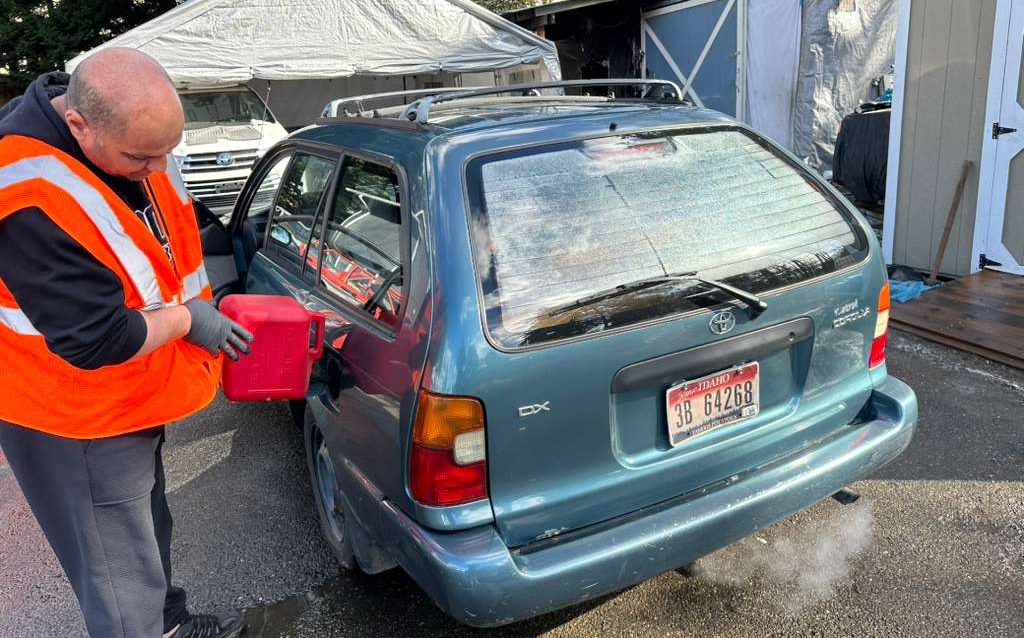
When you’re on the road, anything can happen: a flat tire, a dead battery, unexpected weather, or even a medical emergency. Whether you’re commuting to work or taking a cross-country road trip, being prepared can make all the difference.
That’s where an emergency car kit comes in. Think of it as your safety net, something you hope you’ll never need, but will be grateful to have if trouble strikes.
Here’s a detailed breakdown of what every driver should keep in their vehicle to stay safe, self-sufficient, and ready for the unexpected.
1. Essential Tools and Equipment
Mechanical issues and breakdowns are unpredictable, but having the right tools on hand can help you get back on the road or at least wait for help.
· Jumper Cables or a Portable Jump Starter: A dead battery is one of the most common roadside problems. A portable jump starter can be a lifesaver if you’re stuck in a remote area.
· Tire Pressure Gauge: Helps maintain proper tire pressure, which is crucial for safety and fuel efficiency.
· Tire Repair Kit or Spare Tire: Always check that your spare tire is properly inflated and that you have the necessary tools, such as a jack and lug wrench, to replace it.
· Wheel Key: This small but crucial tool is often overlooked, yet without it, you won’t be able to remove your wheel in the event of a flat tire. Always keep your wheel key in a safe, accessible spot in your vehicle; it’s essential for changing a tire quickly and getting back on the road.
· Multi-tool or Basic Tool Set: Screwdrivers, pliers, and wrenches come in handy for quick fixes.
· Duct Tape and Zip Ties: Temporary solutions for loose parts or minor repairs.
· Flashlight (and extra batteries): You’ll need it if you break down at night or need to inspect under the hood.
2. First Aid and Medical Supplies
Accidents, either big or small, can happen at any time and in any place. And, if you’re injured, a well-stocked first-aid kit ensures you can treat minor injuries immediately.
· Adhesive bandages and gauze pads
· Antiseptic wipes and antibiotic ointment
· Pain relievers (like ibuprofen or acetaminophen)
· Medical tape and scissors
· Tweezers (for splinters or debris)
· Instant cold packs
· Disposable gloves
· A small emergency blanket
· Keep extra dosages of essential medications or an epinephrine auto-injector.
3. Safety and Survival Gear
If you’re stranded for an extended period, especially in extreme weather conditions, these items can help keep you comfortable and visible to rescuers.
· Reflective Warning Triangles or Flares: Make your car visible to other drivers when stopped on the roadside.
· High-visibility Vest: Ensures you’re seen when exiting your vehicle.
· Blankets or Sleeping Bags: Keep warm if you’re stuck overnight or in cold conditions.
· Gloves, Mittens, and Hat: Keep warm and retain body heat in cold conditions.
· Non-Perishable Snacks and Bottled Water: Energy bars, nuts, and protein snacks are great options.
· Poncho or Rain Gear: Weather can change quickly — staying dry helps you stay safe.
· Small Shovel and Ice Scraper: These are especially important in winter climates.
· Portable Phone Charger or Power Bank: Communication is crucial in emergencies.
4. Important Documents and Emergency Contacts
In addition to your driver’s license, registration, and insurance card, it’s smart to keep copies of other critical information in a waterproof folder.
· Emergency Contact List: Include family members, a trusted friend, roadside assistance numbers, and your preferred mechanic.
· Medical Information: Note any conditions, allergies, or prescriptions for yourself and frequent passengers.
· Roadside Assistance Membership Details: Services like Rapid Road ResQ can be lifesavers.
· Vehicle Manual: You’d be surprised how often it comes in handy.
5. Seasonal Add-Ons
Depending on where you live, adjust your kit for the time of year:
•Winter: Add a snow brush, kitty litter or sand (for added traction on slick services), and hand warmers.
•Summer: Include extra coolant, sunscreen, and more fresh drinking water.
6. Regular Maintenance and Checks
Having an emergency kit is only half the equation; keeping it up to date is equally important.
· Inspect your kit twice a year and replace expired medications, low batteries, and other previously used items.
· Check tire pressure, all fluid levels, and wiper blades regularly.
· Always keep your gas tank at least half full — you never know when you’ll need it.
Be Prepared: Expect The Unexpected
Preparedness is peace of mind. A well-stocked emergency kit ensures you’re not caught off guard when the unexpected happens. Whether you’re facing a breakdown, a storm, or a medical emergency, the right gear can turn a crisis into a much more manageable situation.
So, before hitting the road, take a few moments to inspect your car and ensure your emergency kit is fully stocked. That simple precaution can make a world of difference when the unexpected happens.
Safe and Happy Travels!